Introduction
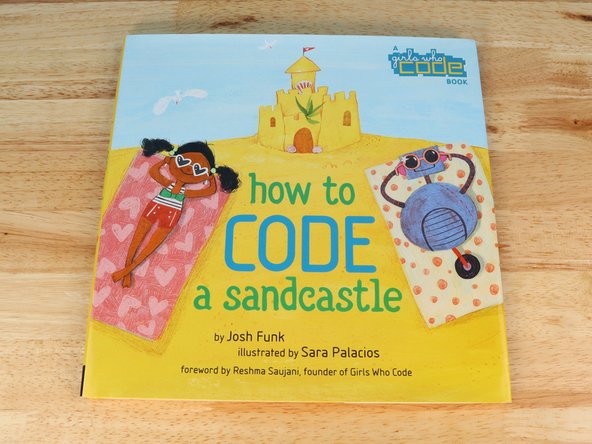
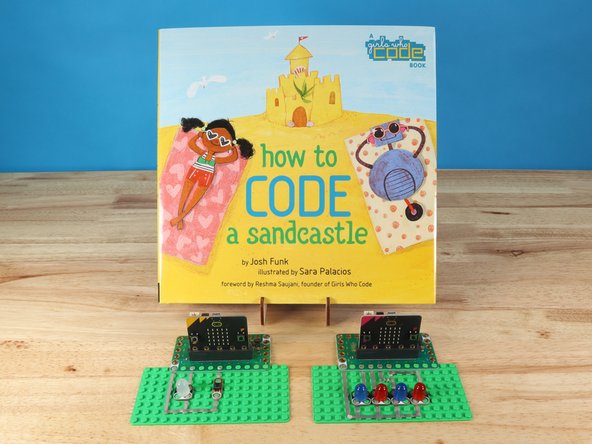
How to Code a Sandcastle by Josh Funk is a great read-aloud to help teach the basic concepts of coding in the classroom. Below you will find suggestions for projects that pair well with the book. If you'd like your own copy of the book, you can purchase it directly from the publisher or from Amazon.
-
-
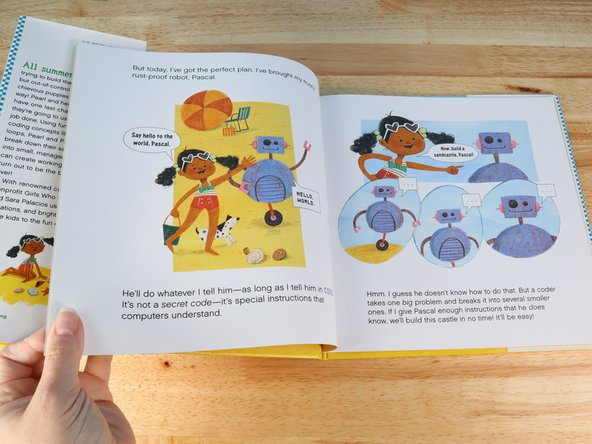
All summer, Pearl has been trying to build the perfect sandcastle, but out-of-control frisbees and mischievous puppies keep getting in the way! Pearl and her robot friend Pascal have one last chance, and this time, they’re going to use code to get the job done.
-
Using fundamental computer coding concepts like sequences and loops, Pearl and Pascal are able to break down their sandcastle problem into small, manageable steps. If they can create working code, this could turn out to be the best beach day ever!
-
With renowned computer science nonprofit Girls Who Code, Josh Funk and Sara Palacios use humor, relatable situations, and bright artwork to introduce kids to the fun of coding.
-
-
-
A great place to start when introducing basic coding concepts to students is MicroBit University.
-
Below we will cover different types of Loops, If/Then/Else Conditionals, and Variables with links to chapters within MicroBit University that hit on these topics.
-
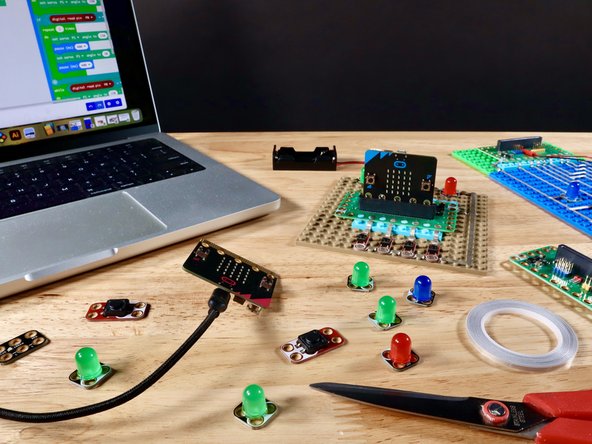
If you are new to coding/physical computing, be aware that the projects linked below will always involve both a physical circuit (with a MicroBit) AND a bit of code created on a computer used to control the behavior of that circuit.
-
Please note that a lot of the topics from the book are used often in MicroBit University. We are only listing the most basic examples. For more coding examples, refer to the complete MicroBit University guide.
-
-
-
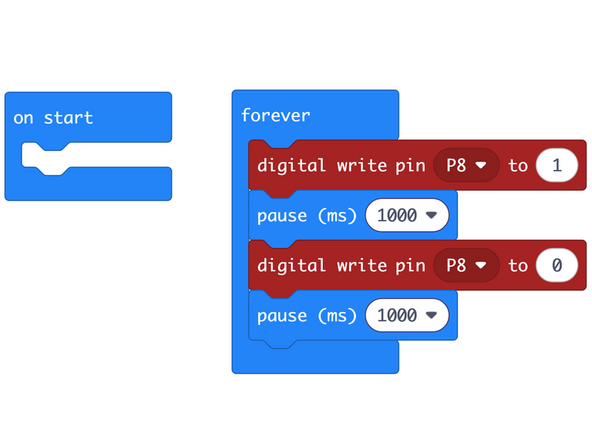
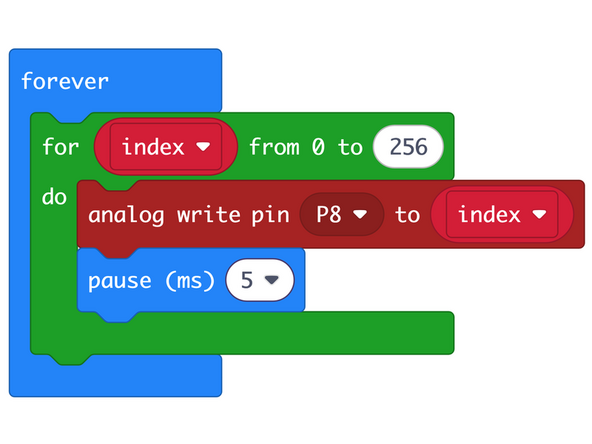
Forever Loop (almost all of the chapters involve loops, these are some of the most basic)
-
-
-
-
-
-
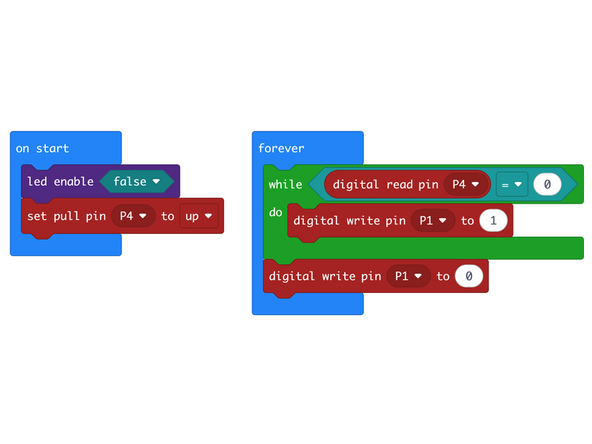
While Loop (used in other guides as well)
-
-
-
-
-
-
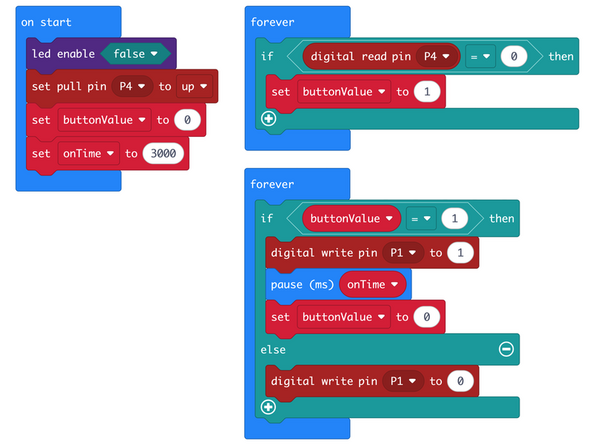
If/Then/Else (these are also in most chapters, but these are the most basic)
-
-
-
-
-
-
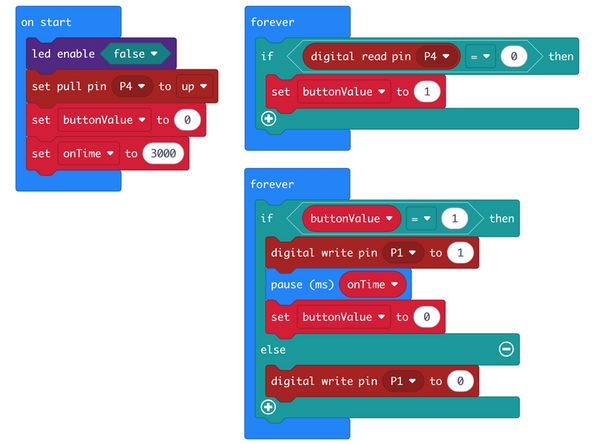
Variables (in multiple guides, but here are a few)
-
-
-
-
-
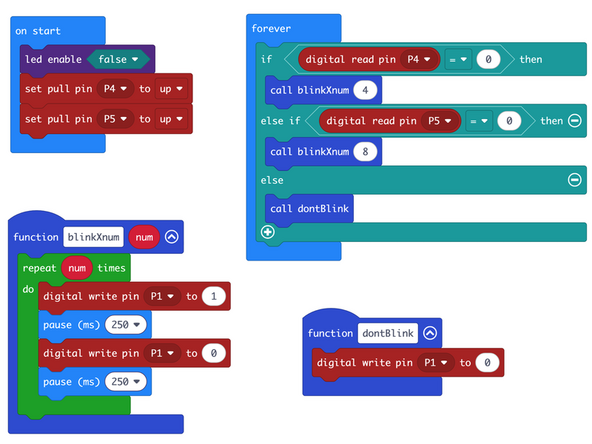
Functions, Parameters, and Event Handlers are not topics covered by the book, but are a great extension of learning and are used regularly in MicroBit University.
-
Functions are first used in Chapter 5 - Two Buttons (Guide B).
-
Parameters are first used in Chapter 5 - Two Buttons (Guide C).
-
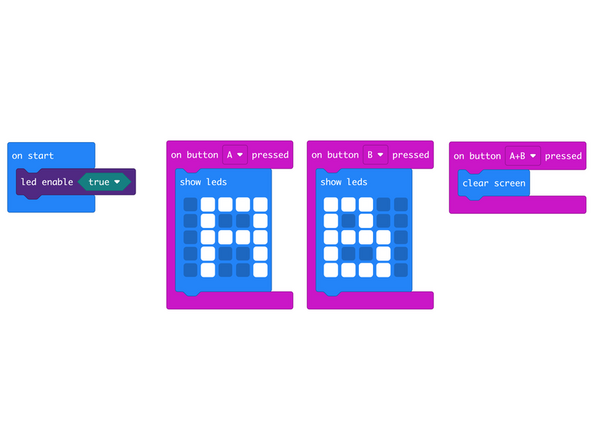
Event Handlers are used in Chapter 10 - Buttons A and B.
-